Understanding Live Scan Fingerprinting
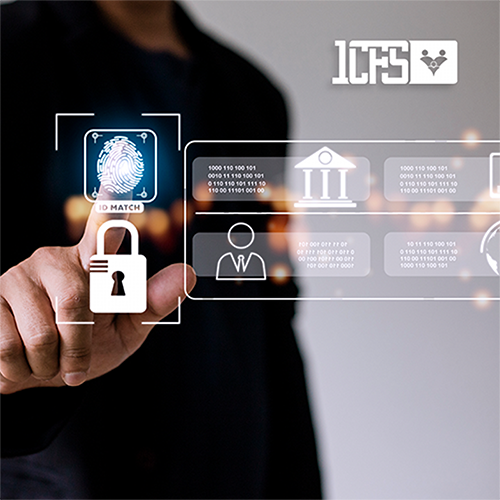
Live scan fingerprinting is a digital method used to capture and record an individual’s fingerprints electronically. This technology uses a scanner to take high-resolution images of the fingerprints and then stores them digitally. The captured fingerprints are then transmitted to relevant authorities or databases for background checks, identity verification, or other purposes.
How Does Live Scan Work?
Here’s a step-by-step overview of how live scan fingerprinting works:
-
Preparation: The individual being fingerprinted places their fingers on a live scan device, which typically consists of a glass platen or electronic sensor.
-
Fingerprint Capture: The live scan device captures detailed images of each fingerprint. Unlike traditional ink methods, which can sometimes produce smudges or unclear prints, live scan captures clean, high-resolution images.
-
Digital Processing: The scanned fingerprints are processed by the device's software, which enhances the images and prepares them for submission. This process is often faster and more accurate than traditional methods.
-
Transmission: The digital fingerprints are transmitted to the requesting agency or database. This electronic submission speeds up the process of background checks and verification, reducing the time it takes to get results.
-
Review and Results: The receiving agency reviews the fingerprints and uses them to conduct background checks, verify identities, or perform other necessary actions.
Benefits of Live Scan Fingerprinting
Live scan fingerprinting offers several advantages over traditional ink methods:
- Speed: Digital fingerprints are processed and transmitted quickly, significantly reducing the time required for background checks and identity verification.
- Accuracy: Live scan captures high-resolution images, minimizing errors and improving the accuracy of the fingerprinting process.
- Convenience: The digital nature of live scan eliminates the need for ink and paper, making the process cleaner and more efficient.
- Immediate Results: Many live scan systems provide immediate results, allowing for faster decision-making in hiring, licensing, and other areas.
Where is Live Scan Used?
Live scan fingerprinting is widely used across various sectors, including:
- Employment: Many employers use live scans for pre-employment background checks, particularly in sensitive positions that require security clearances or trust.
- Licensing and Certification: Professional licenses and certifications often require live scan fingerprinting to verify the applicant’s background.
- Government: Agencies use live scans for identity verification, security clearances, and background investigations.
- Healthcare and Education: Institutions in these fields use live scan to ensure the safety and reliability of their personnel.
Preparing for a Live Scan Appointment
To ensure a smooth live scan experience, consider the following tips:
- Schedule an Appointment: Many locations require or recommend scheduling an appointment for live scan fingerprinting.
- Bring Identification: Have valid identification with you, such as a driver’s license or passport.
- Follow Instructions: Adhere to any specific instructions provided by the live scan facility or the agency requesting the fingerprints.
Conclusion
Live scan fingerprinting represents a significant advancement in the field of identity verification and background checks. Its digital approach provides faster, more accurate, and more efficient results compared to traditional methods. Whether for employment, licensing, or other purposes, Live Scan offers a modern solution to fingerprinting needs.
For reliable and efficient live scan fingerprinting services, 1st Choice Fingerprinting is here to help. Contact us today to schedule your live scan appointment and experience the benefits of this advanced fingerprinting technology.